
Healthy Water, Healthy World: Insights into Silk Grass Farms’ Watershed Health and Stroud Water Research Center Partnership
The health of all life on the planet depends on the integrity of our fresh water supplies. At Silk Grass Farms, we consider water quality—and how our agricultural practices affect it—among the most important environmental and ecosystem factors to monitor and protect. In keeping with our mission to develop a regenerative agricultural business model, Silk Grass Farms is committed to ensuring that our agricultural practices not only do no harm but also actively contribute to a thriving natural ecosystem, including healthy, biodiverse waterways. We are also dedicated to using the abundance of the Silk Grass Nature Reserve (formerly known as the Silk Grass Farms Wildlife Preserve) to advance scientific research and understanding of how to protect and strengthen the health of ecosystems across the planet.
To support these commitments, we have been proud of our partnership with the Stroud Water Research Center, an independent nonprofit organization that has been advancing knowledge and stewardship of freshwater systems through global research, education, and watershed restoration since 1967.
We are excited to share a summary of findings and recommendations from a report by researchers at the Stroud Water Research Center. We are actively applying these findings to our goals and research at the Nature Reserve and to our practices at the Farms.
“The abundance of life and pristine ecosystems here in Belize make it a perfect place for ecological research that can have impacts for healthy waterways and ecosystems across the globe,” says Dr. Johnathan Canton, Silk Grass Nature Reserve Executive Director. “Partnering with leading organizations such as Stroud, our Nature Reserve can be used both for biodiversity research and to inform our agricultural decisions at Silk Grass Farms.”

Establishing a Water Health Baseline
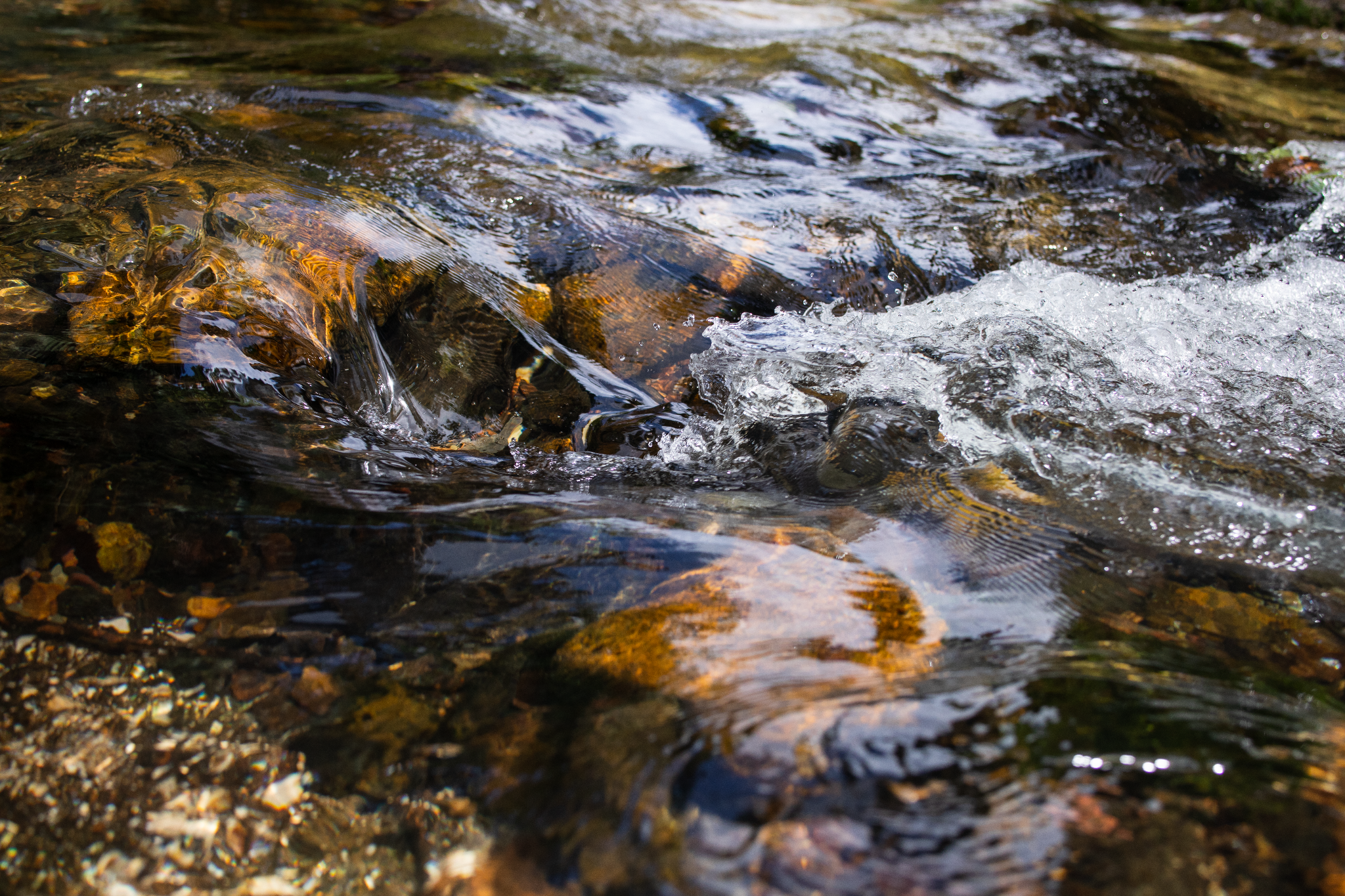
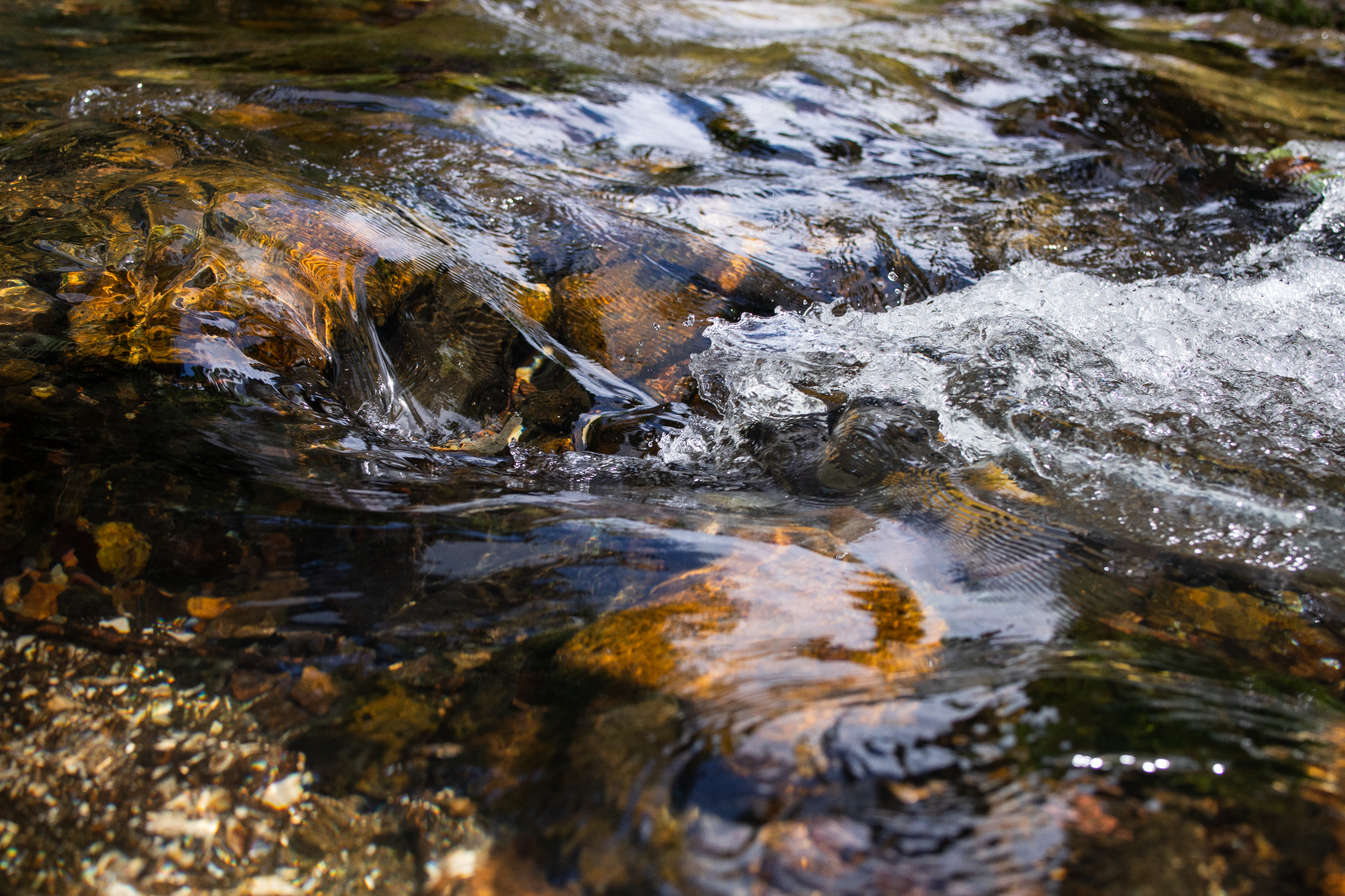
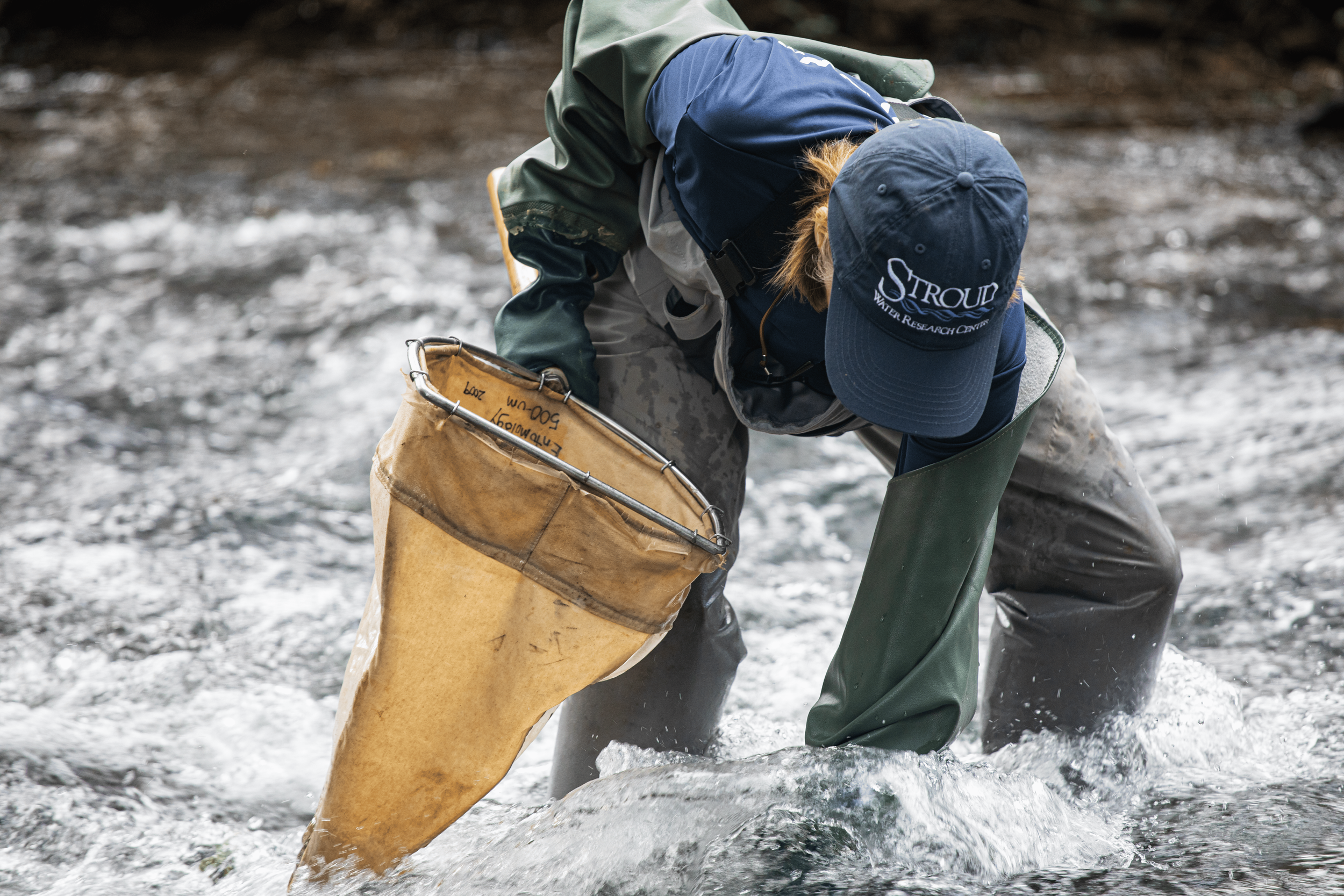
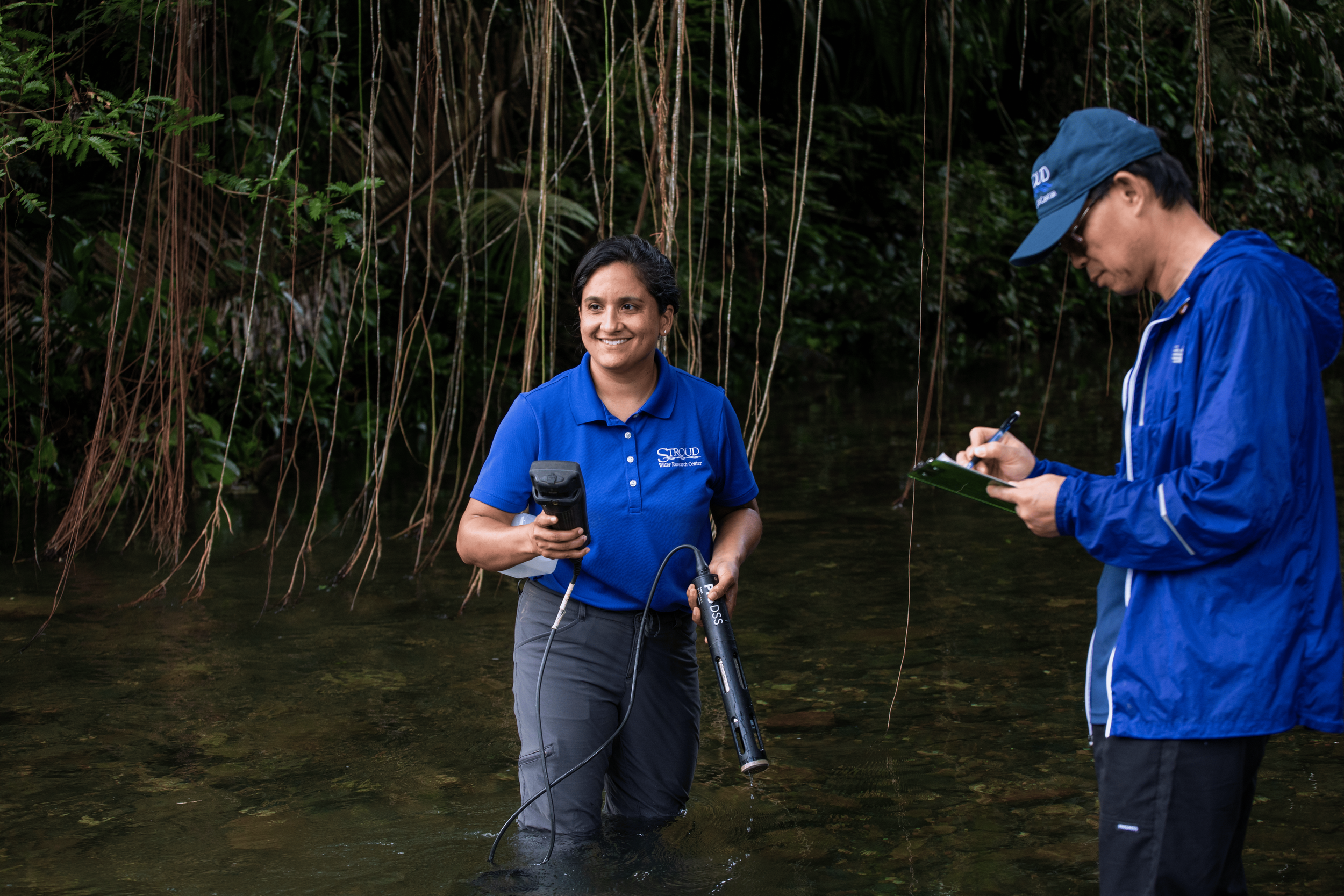
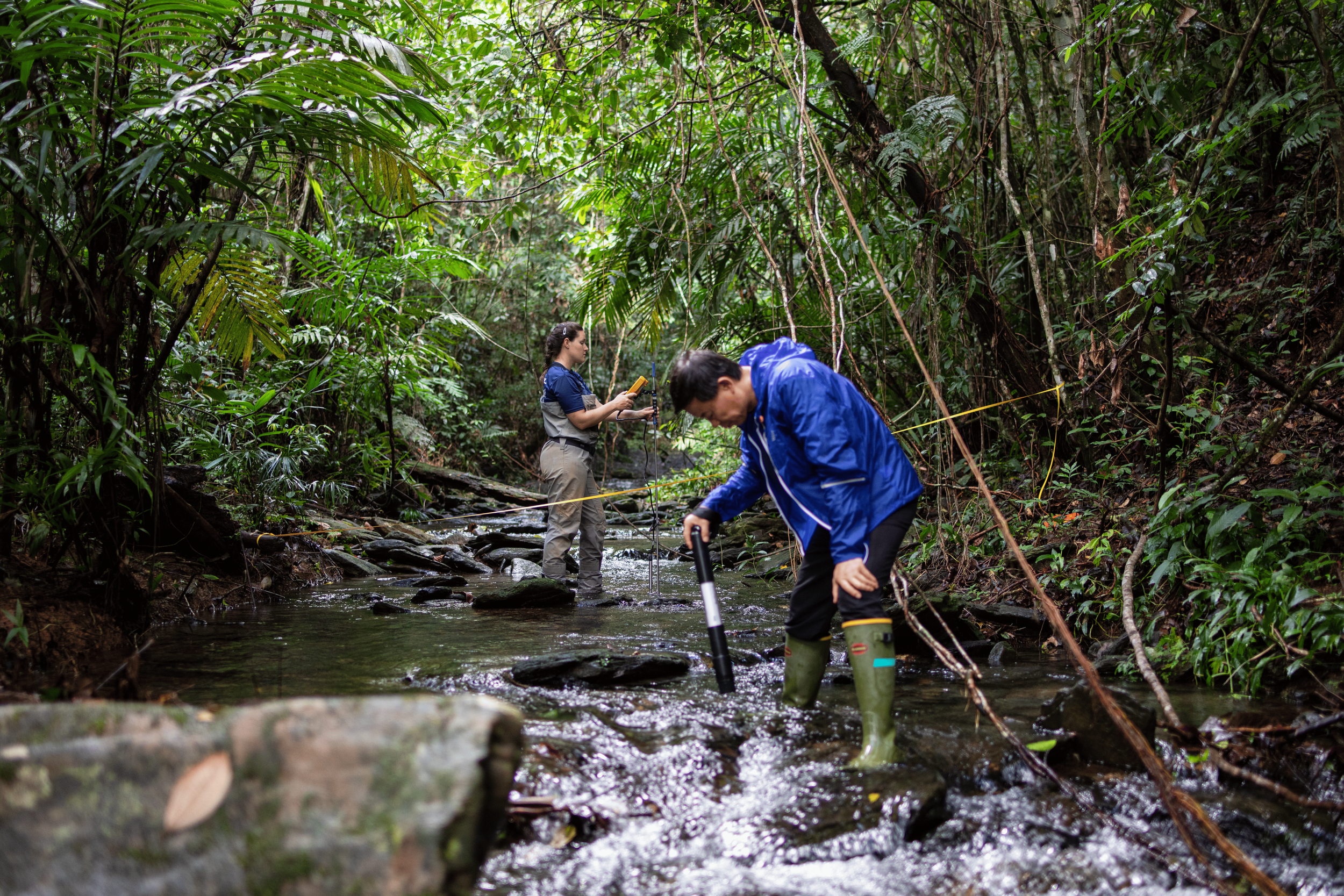
In 2024, Stroud researchers visited Silk Grass Farms to conduct a baseline assessment of macroinvertebrate, fish, and microbial communities, as well as of the physical habitat and water chemistry on the farms. “The main objectives of the assessment were to create a baseline of aquatic life and water quality conditions at the property, to identify any potential negative effects of agricultural activities on local water quality, and [to] provide guidance and recommendations that could help mitigate such potential impacts,” the Stroud report states.
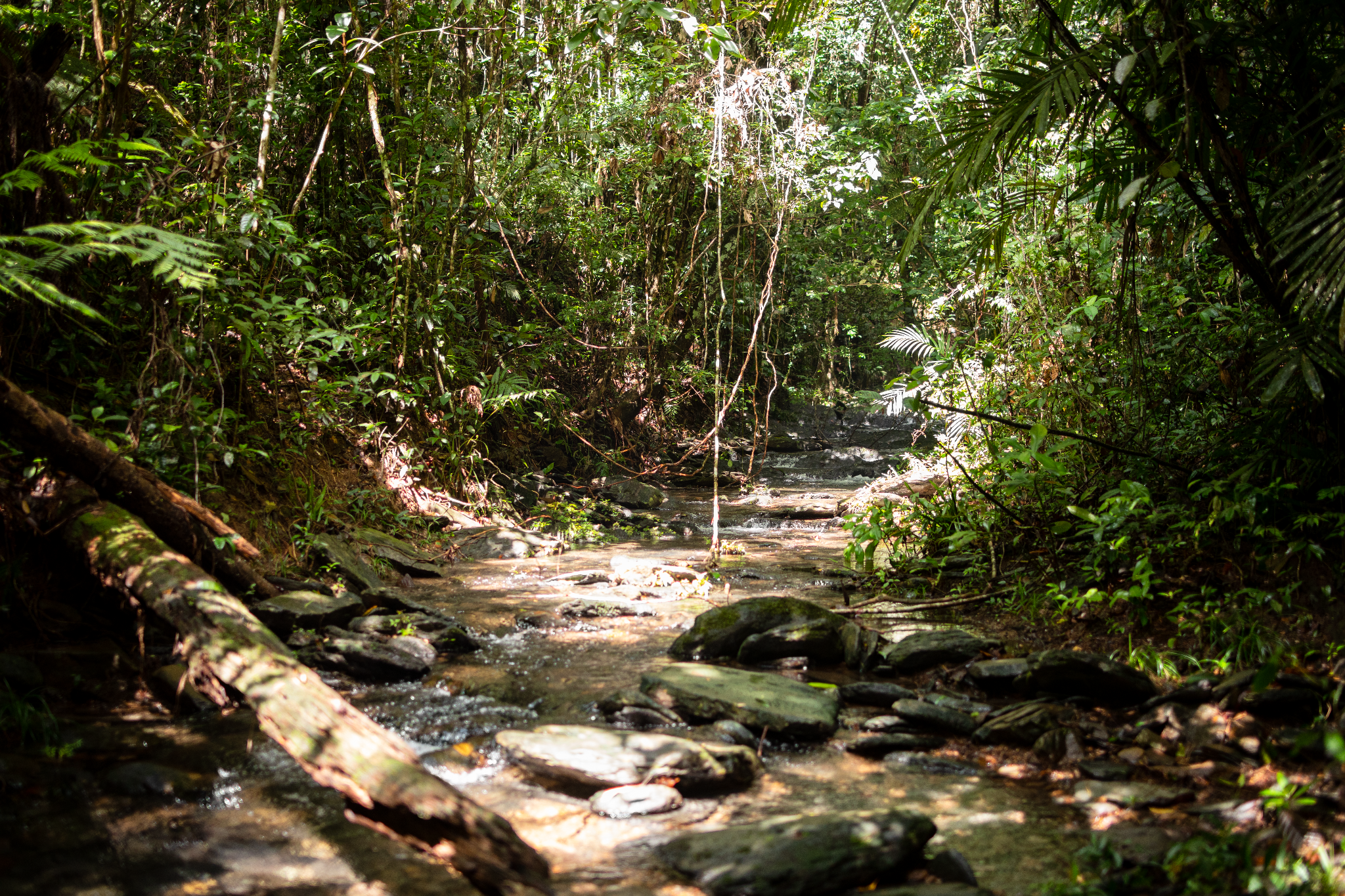
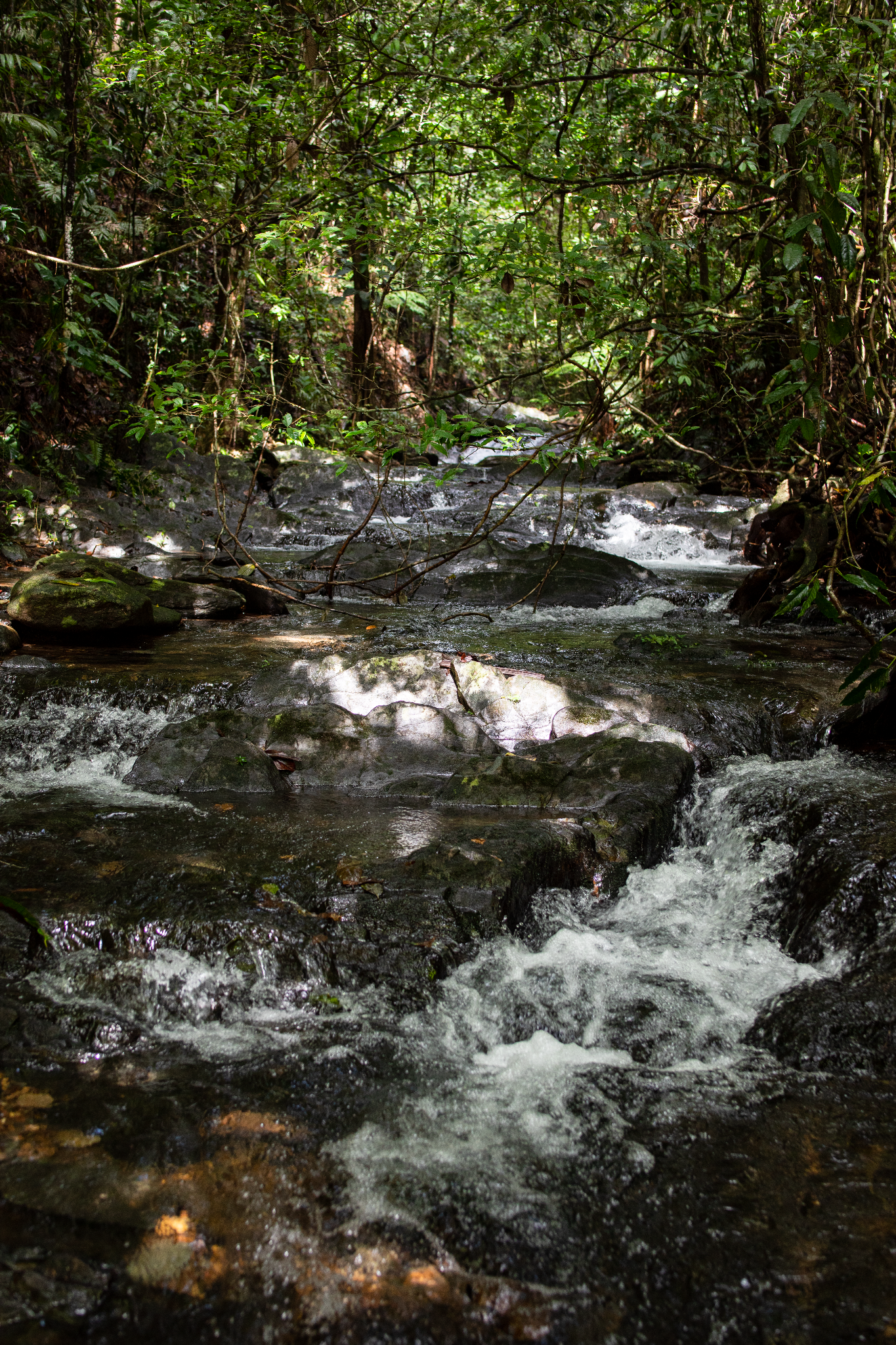
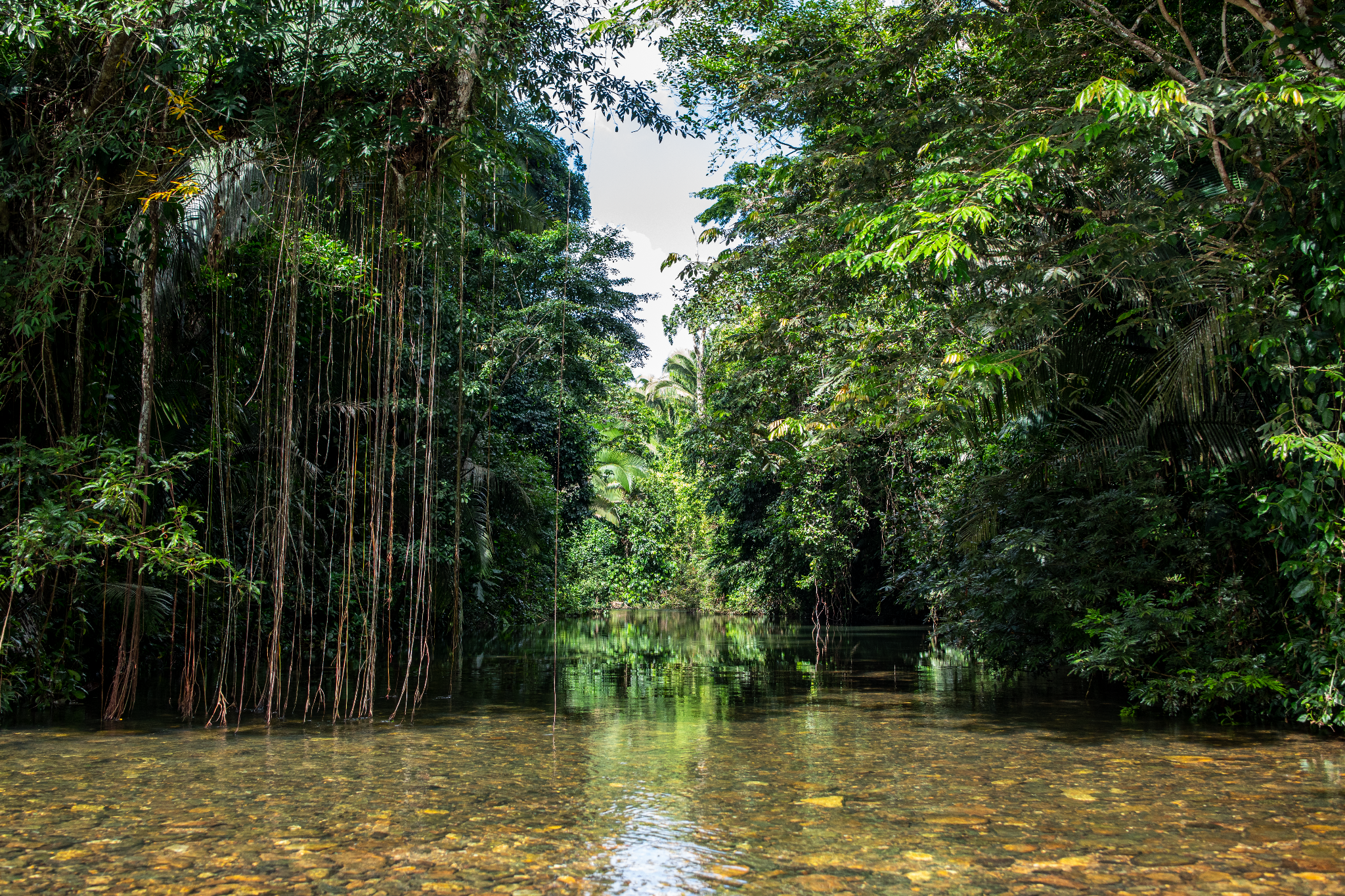
To prepare the assessment, Stroud researchers performed sampling upstream (not exposed to agricultural activity) and downstream (exposed to agricultural activity) along several waterways within Silk Grass Farms and Nature Reserve, and “evaluated physical, biological, and chemical indicators of aquatic ecosystem health and water quality, including physical habitat, water chemistry, microbial, and aquatic macroinvertebrate and fish communities.”
The resulting report confirmed the area’s rich biodiversity, finding “a rich array of microbial, macroinvertebrate, and fish communities across the study sites at Silk Grass Nature Reserve & Silk Grass Farms.” Researchers identified 300 aquatic macroinvertebrate species, including 132 sequences new to the barcode library (the first time these species have been barcoded), nearly all of them reported for the first time in Belize. The study also highlighted the site's high fish diversity, with more than 40 genera and 166 species identified across all study sites.
“The initial Stroud data is an illuminating first step in the potential of building out our research capacity here at Silk Grass through partnerships like this one,” Dr. Canton says. “It’s awe-inspiring and humbling to consider the vast amount of scientific knowledge and discovery available to us as we continue to explore the preserve.”
Recommendations and Next Steps
The following is a summary of Stroud’s high-level findings and recommendations, along with our next steps to continue supporting waterway and biodiversity health at Silk Grass Farms, across Belize, and beyond.
➤ Recommendation: Continue current ecologically mindful agricultural practices.
The assessment discovered some “small legacy or current negative association with agricultural activities at some study sites.” A variety of confounding factors made it difficult to confidently conclude whether the impacts on freshwater resources were due to present-day farming practices or a legacy of past farming activities. “In conclusion,” the report states, “we found no strong evidence of negative impacts of present-day agricultural land use on freshwater resources at Silk Grass Nature Reserve & Silk Grass Farms.”
Next steps: We will continue to use and build upon our regenerative agriculture practices, such as reduced or eliminated use of chemical fertilizers, increasing reliance on compost, integrated pest management, responsible water management, low- and no-till farming methods, and more.
➤ Recommendation: Preserve forested riparian setbacks as buffers for agricultural operations.
Riparian buffers are areas of trees, shrubs, or perennial plants that grow adjacent to streams or wetlands. These natural or planted buffers can help filter nutrients, pesticides, sediment, and animal waste from agricultural runoff, preventing or reducing the amount that reaches waterways.
Next steps: Silk Grass Farms intends to audit all riparian setbacks along waterways in agricultural areas across the property. The team will assess the extent and health of each setback and determine whether extending it would enhance its benefit to the surrounding waterway.
➤ Recommendation: Maintain current road density and use caution when expanding water extraction infrastructure.
New road expansions and bridge crossings increase disruption and runoff into waterways. Increased water extraction infrastructure (i.e., wells, direct pumping, or diversions) can reduce stream flow and negatively impact stream ecosystems.
Next steps: Silk Grass Farms already approaches the expansion of potentially disruptive hardscape with caution. We will incorporate these recommendations into future planning.
➤ Recommendation: Set up continuous water-quality monitoring stations at key stream locations.
Because the Stroud study necessarily used a snapshot approach, it could not capture potential changes in water quality parameters associated with short-lived events, such as storms. To build a better long-term picture of stream health, Stroud recommends: 1) installing autonomous field sensors for water depth, temperature, specific conductivity, and turbidity at several sites across the property, and 2) repeated manual measurement of stream discharge at these sites. These measures (and the resulting data) are foundational to understanding future water quantity conditions and managing agricultural water usage.
Next steps: Silk Grass Farms will continue to work with Stroud to identify avenues for implementing continuous water monitoring to better capture spontaneous events and gain long-term insight. Stroud researchers will return in June 2026 to train our staff in water-monitoring techniques and educate our team on watersheds.
➤ Recommendation: Conduct similar water resource assessments every 5 to 10 years to provide a long-term understanding of potential changes from the baseline presented in this study.
Because this assessment’s key purpose was to establish a baseline, and because Silk Grass Farms will continue to expand and improve over time, ongoing measurement is necessary to fully understand whether and how our agricultural activities are affecting waterway health and biodiversity.
Next steps: We will continue to work with Stroud to evaluate the health of our water system and how our agricultural practices are impacting it as we grow.
➤ Recommendation: Engage staff, students, and other community members in watershed education programs dedicated to building local watershed stewardship efforts.
Creating connections between people and their water sources helps people of all ages better understand fresh water. As we continue to learn about how our activities impact local waterways, we can extend the value of that learning by sharing it with others in the community.
Next steps: We will work together with Stroud to design and implement watershed education programs. This can be initiated at Sandy Creek Academy, and we will likely explore how to share it with other stakeholders across the country.