
Belize Is For the Birds
Silk Grass Farms is proud to partner with the National Audubon Society to explore how regenerative farming practices can help preserve critical bird ecosystems and support ecological health and biodiversity.
Bird counts worldwide are a critical indicator of the health of ecosystems, biodiversity, and the planet as a whole. As part of our ongoing commitment to environmental research, Silk Grass Farms is thrilled to be working with the National Audubon Society to explore how regenerative agriculture can improve bird health and biodiversity.
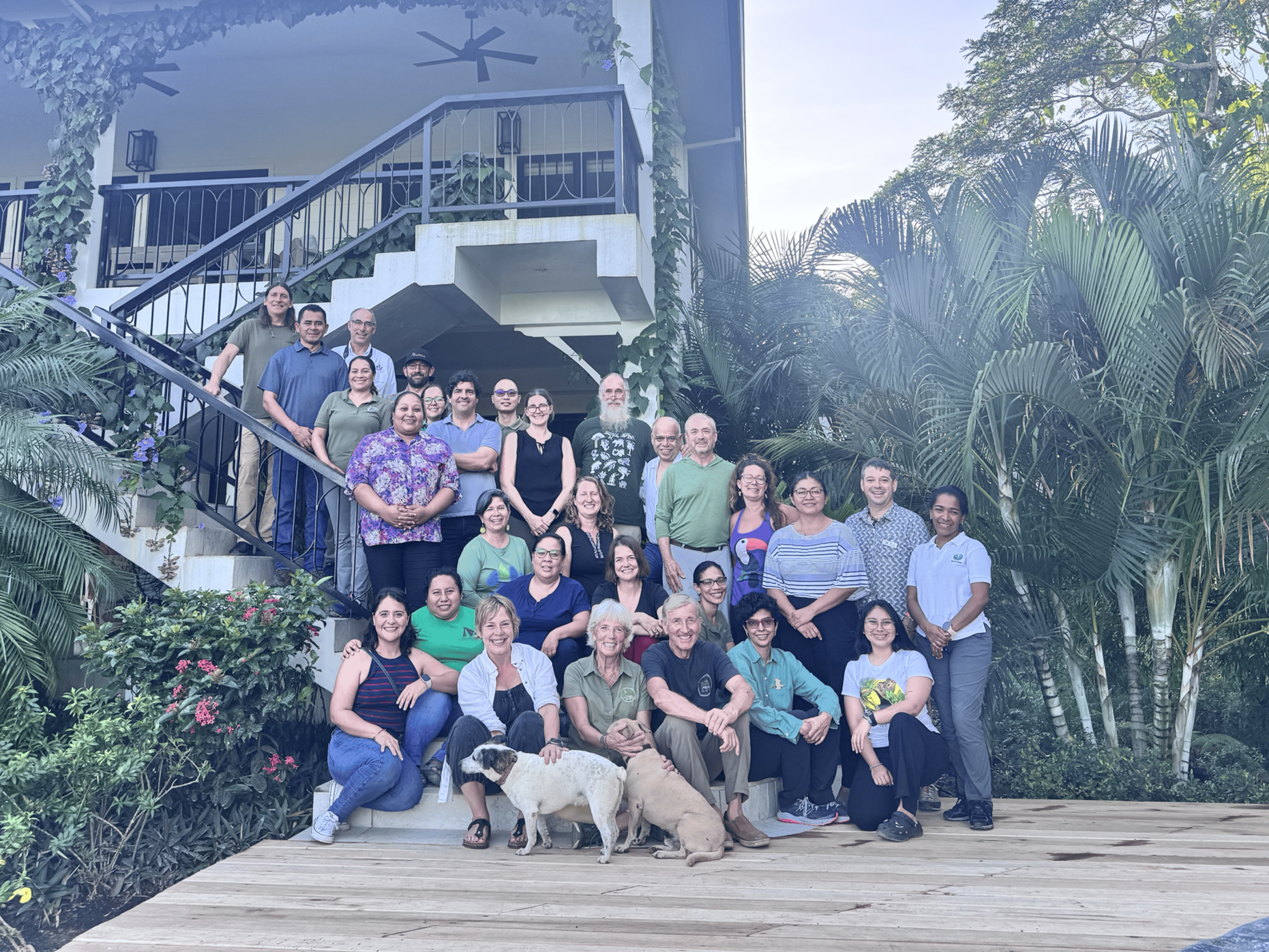
In late 2025, Audubon and Silk Grass Farms joined forces to host the first Regenerative Agriculture and Protected Areas workshop, bringing together more than 20 potential partners in Belize to discuss how birds can help measure the impact of regenerative farming alongside protected areas. Building on this convening, the Audubon and Silk Grass Farms teams, together with selected local partners, will discuss next steps to define potential investments in bird- and biodiversity-friendly agricultural best practices, as well as frameworks for monitoring progress and impact. These discussions will explore the implementation of these practices at Silk Grass as a demonstration farm for a regional project, expanding upon Audubon’s work to use bird counts and movements to build biodiversity baselines that inform habitat corridors, water stewardship, and daily operations.
National Audubon Society’s Managing Director for Latin America and the Caribbean, Aurelio Ramos, visited Silk Grass Farms to attend the workshop. In this Q&A, Ramos and Jessica Dolan, Vice President of Leadership Giving at the Audubon Society, discuss why it’s important to study the impact of regenerative agriculture on bird populations, what they’ve already learned from their partnership with Silk Grass Farms, and what comes next.
Why is it important to study the impacts of regenerative agriculture practices on bird populations? What can we learn from this research?
Conventional agricultural systems can degrade soils, reduce water quality, and simplify habitats, undermining the ecosystem services that both biodiversity and long-term productivity depend upon—making regenerative agriculture a critical pathway to restore those services while sustaining production.
Studying bird responses to regenerative agriculture provides measurable evidence of ecological change, helps identify which practices most support wildlife, and strengthens the case that regenerative systems can improve biodiversity and connectivity while maintaining productive landscapes.
What can this research indicate for farm managers broadly, and at Silk Grass Farms?
At the farm level, bird research can help identify and quantify which agricultural management practices best support biodiversity. Audubon’s Bird Friendliness Index, a science-based indicator that helps assess how well farms support bird communities, can inform decision-making at a farm and landscape level to show progress and impact.
At Silk Grass Farms, tracking individual birds can demonstrate the value of regenerative agriculture for connecting protected areas across Belize, as well as the broader Mesoamerican Biological Corridor, a critical migratory bottleneck for hundreds of species that migrate between North and South America.
Why are the bird populations in Belize of particular interest to Audubon? What opportunities are available for conservation work here?
Belize is hemispherically important for migratory birds. Migratory birds connect Belize to countries across the western Hemisphere, from Canada and Alaska in the U.S. to Chile and Argentina. More than 190 species (more than 40%) of migratory birds that breed in Canada and the U.S. use Belize during migration and the boreal winter, including species that are steeply declining, such as Cerulean Warbler, Prothonotary Warbler, and Wood Thrush. Additionally, Belize is home to charismatic species, such as Keel-billed Toucans, Lesson’s Motmot, and Black-headed Trogons, that spend their entire lives in the country.
As a country, Belize is already conservation-forward—approximately 60% of its land and water are formally protected—but the quality of protection and bird habitat management varies across sites. Surrounding agricultural landscapes, many adjacent to protected areas, present opportunities for connectivity, better management, and improved economic returns for local farmers and communities.
Over the past year, Audubon has engaged local conservation leaders, agricultural producers, scientific partners such as the Belize Audubon Society and the University of Belize, and donors with active interests in the region. These conversations surfaced clear opportunities to:
Expand the establishment and management of new local protected areas into priority landscapes
Improve management of existing protected areas
Promote bird-friendly agriculture across working lands
Assess and apply a science-based monitoring framework to measure the impact of regenerative agriculture on birds
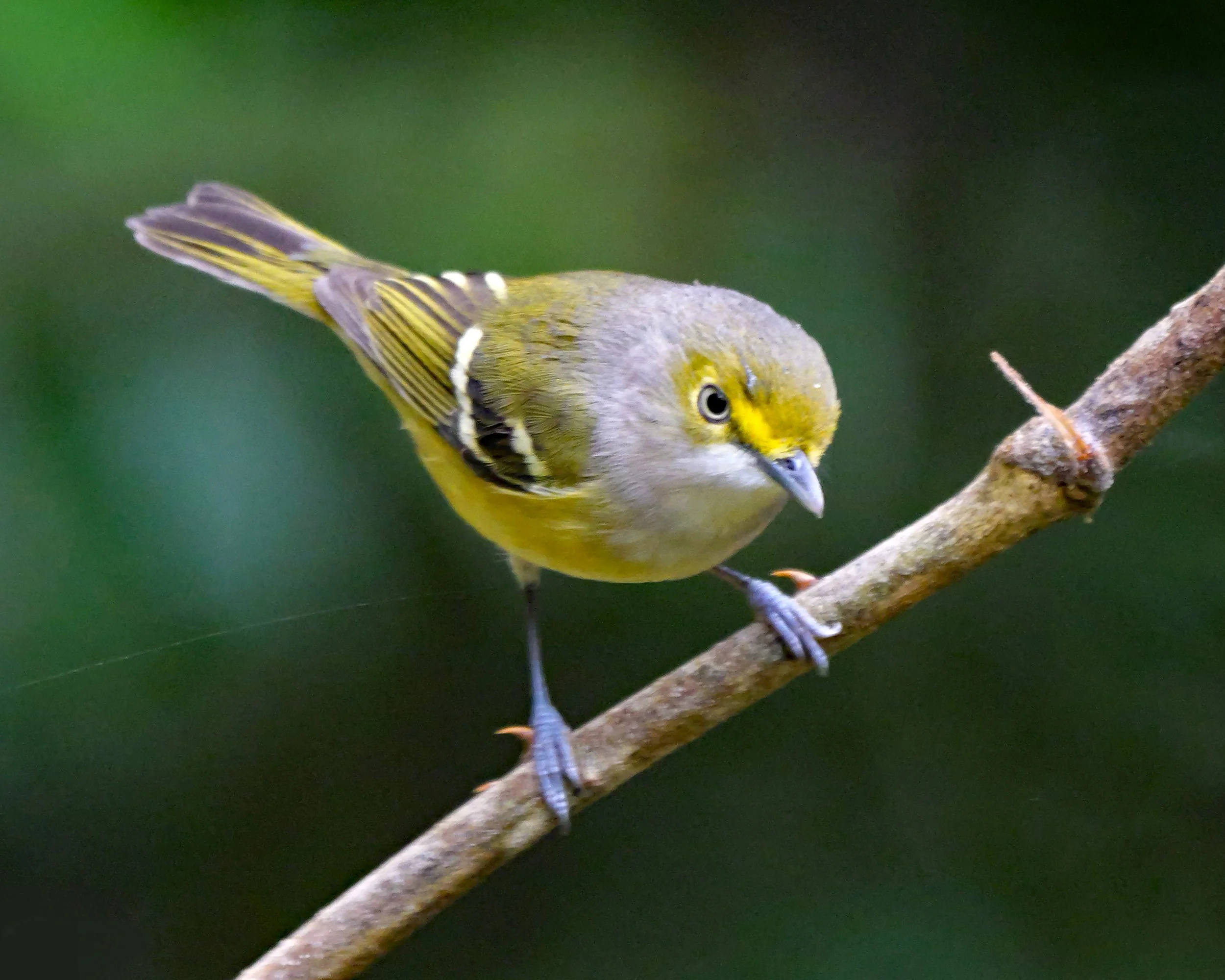
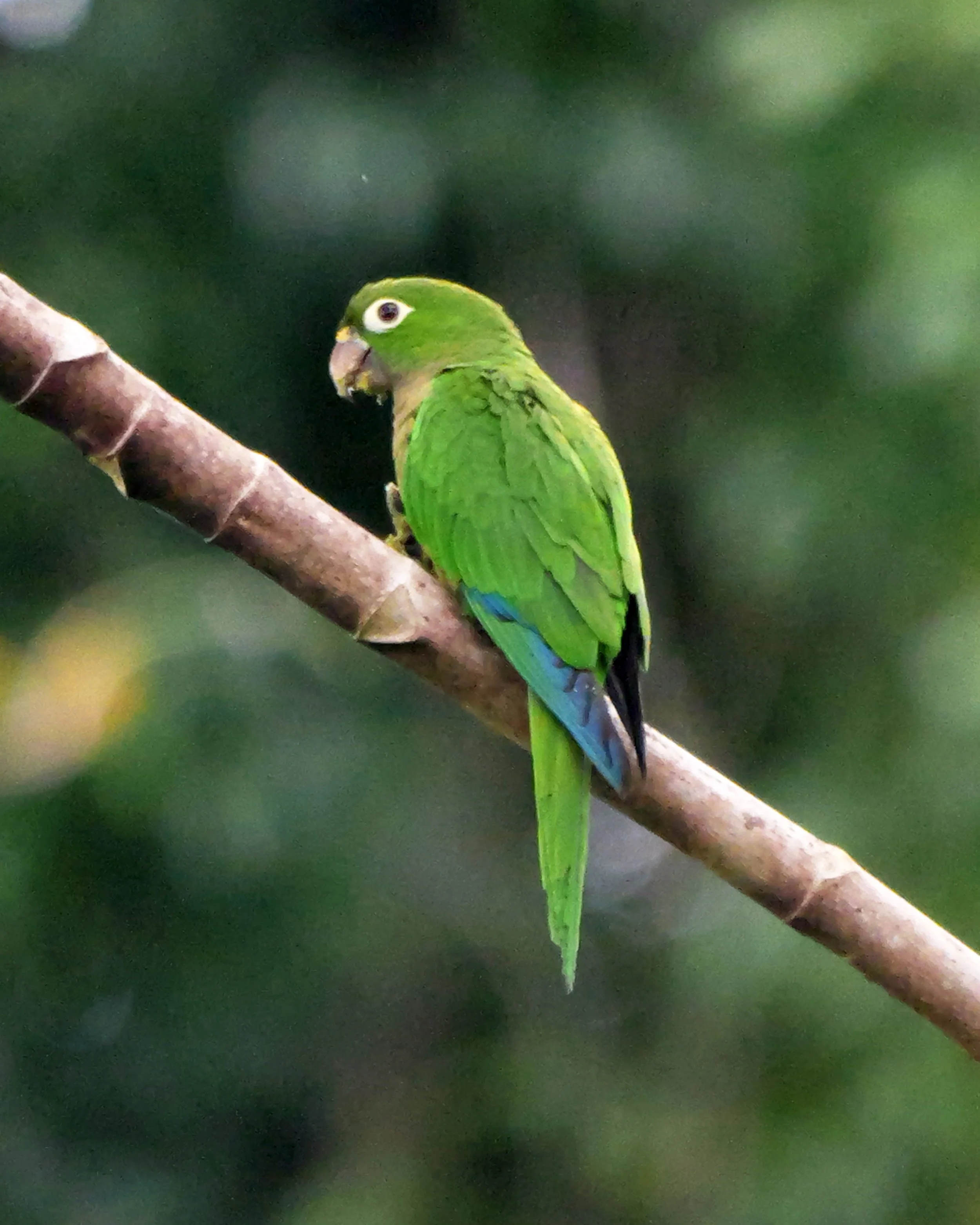
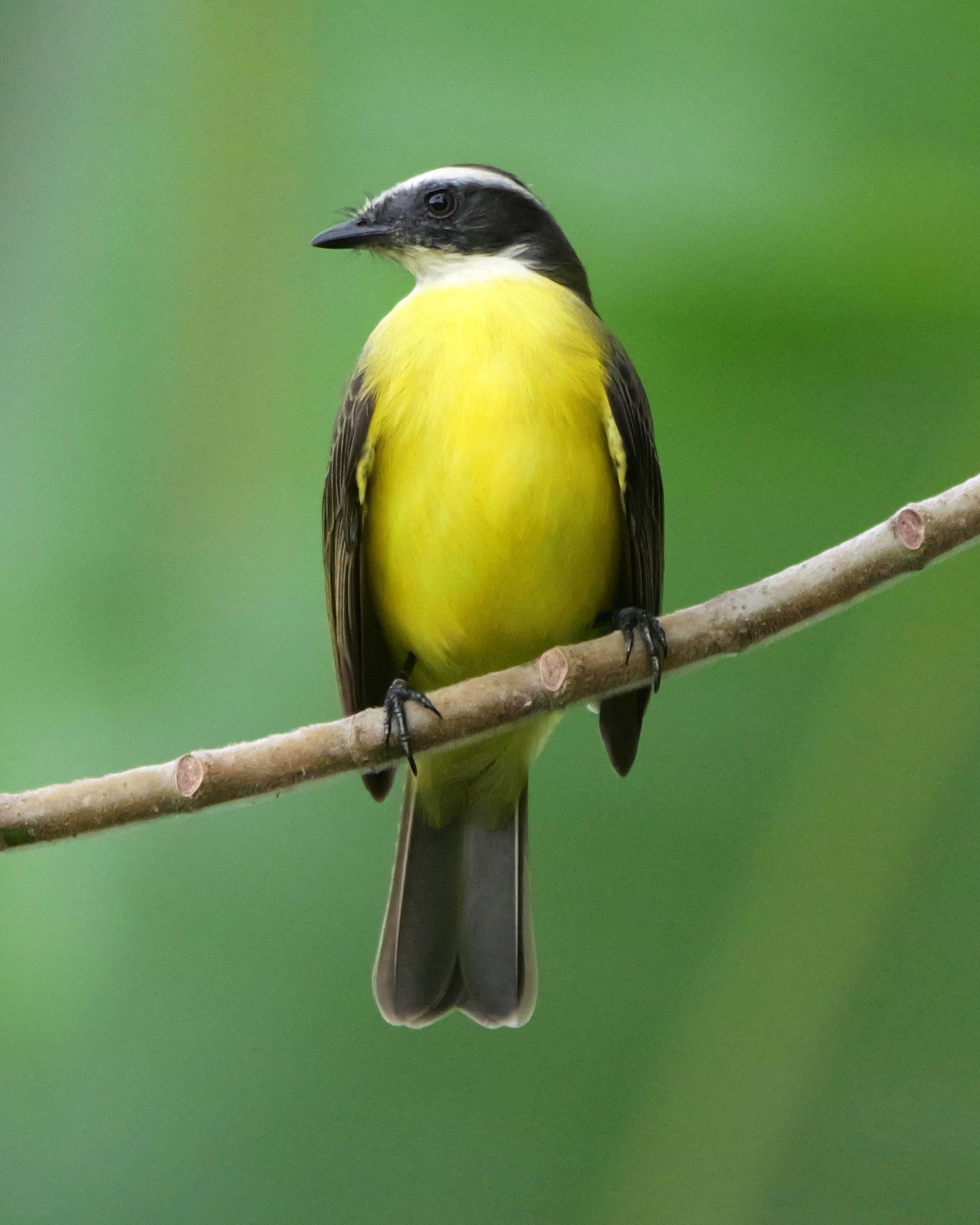
See some of the photos of the birds found on the Silk Grass Farms properties below:
-
![]()
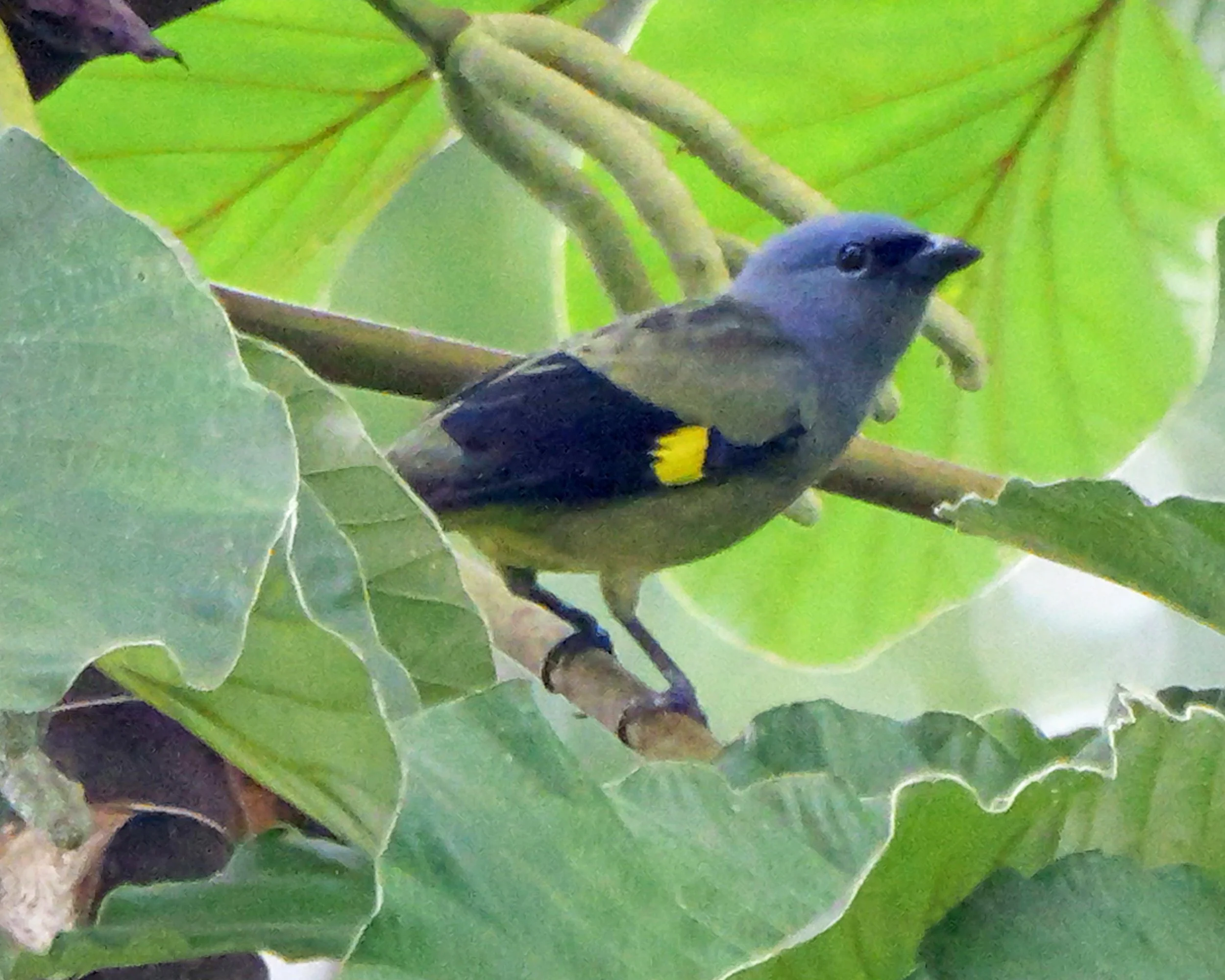
Yellow-winged Tanager
-
![]()
Red-throated Ant-Tanager
-
![]()
Lesson's Motmot
-
![]()
Morelet's Seedeater
-
![]()
Masked Tityra
-
![]()
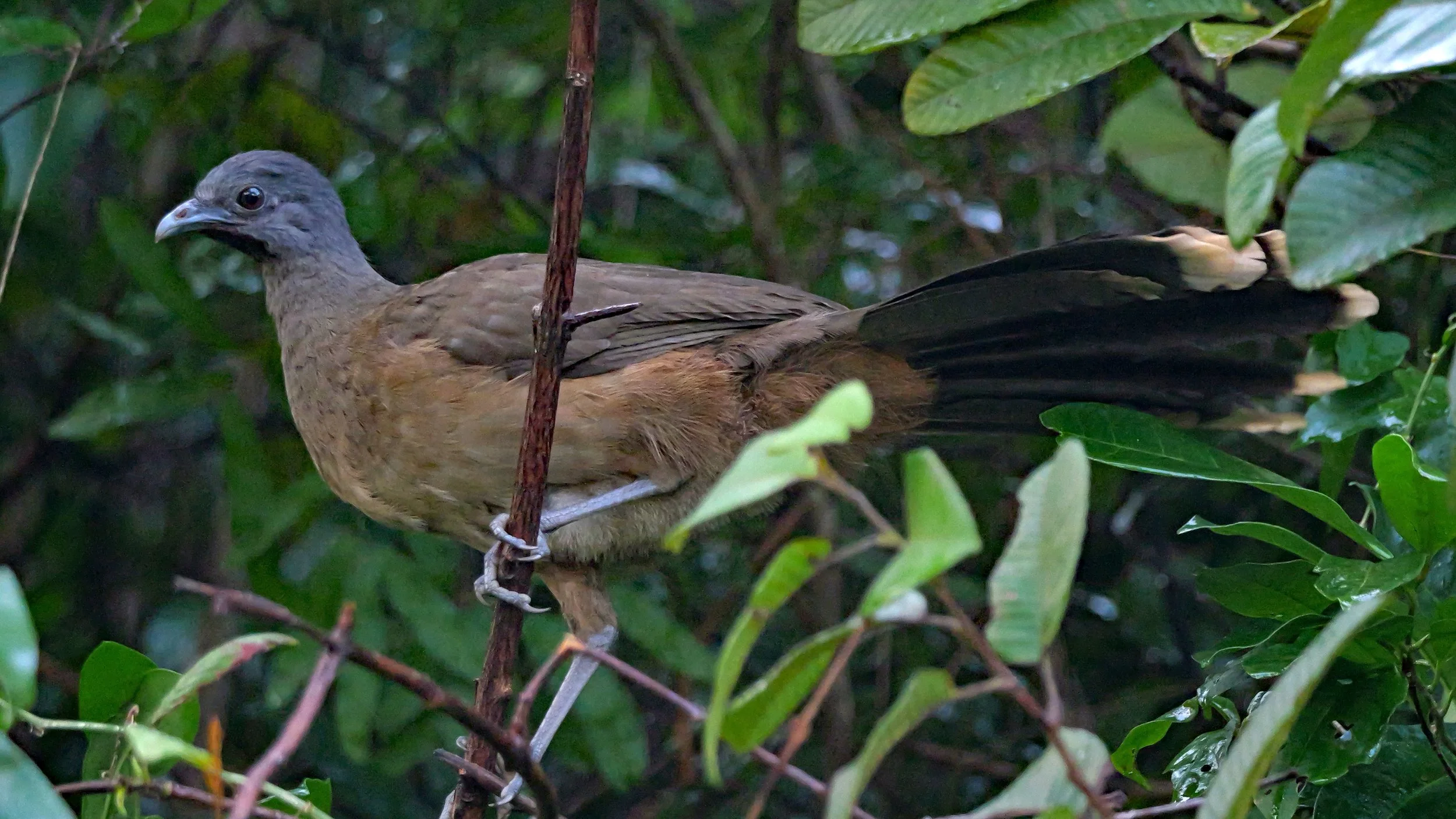
Plain Chachalaca
-
![]()
White-eyed Vireo
-
![]()
Olive-throated Parakeet
-
![]()
Social Flycatcher
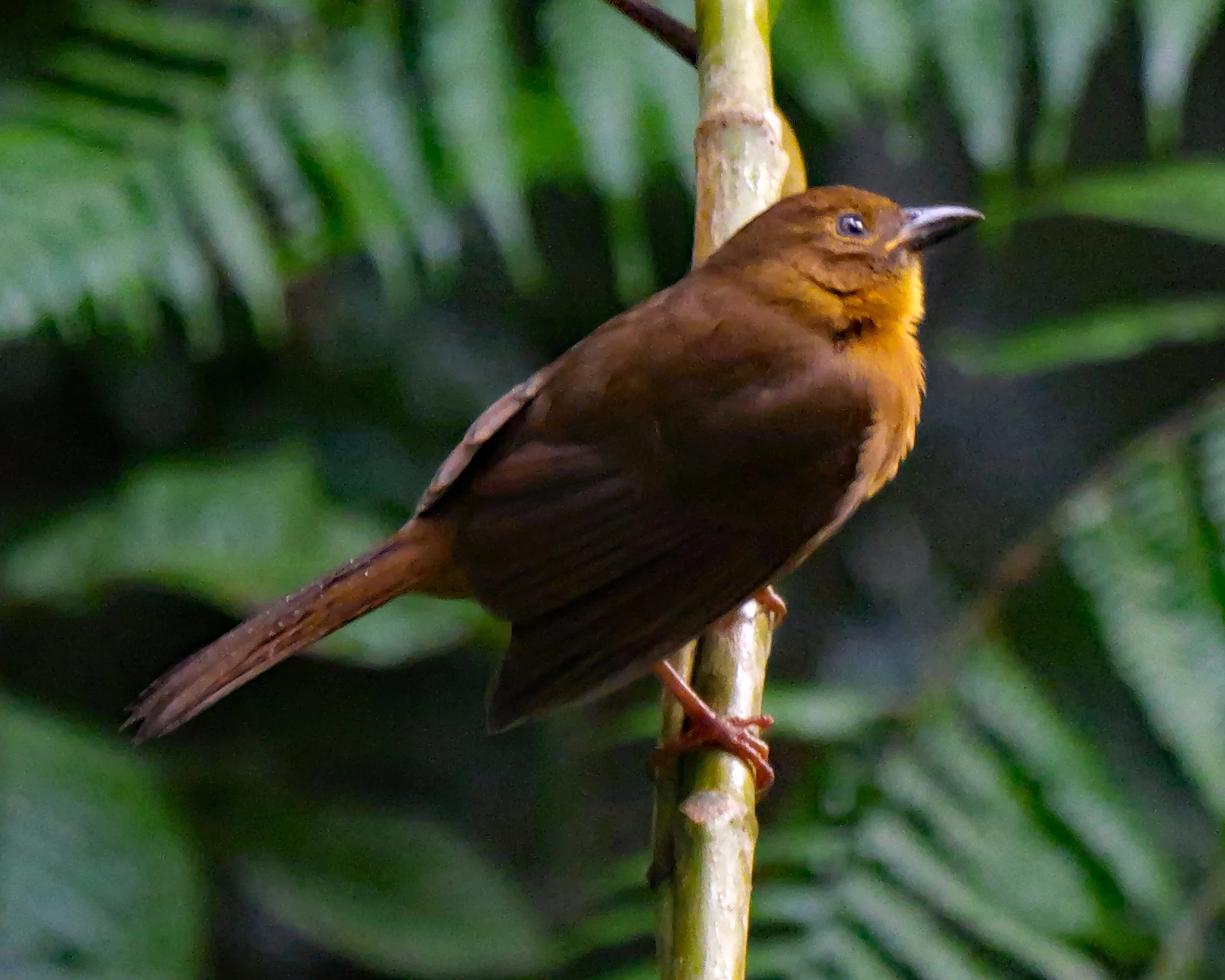
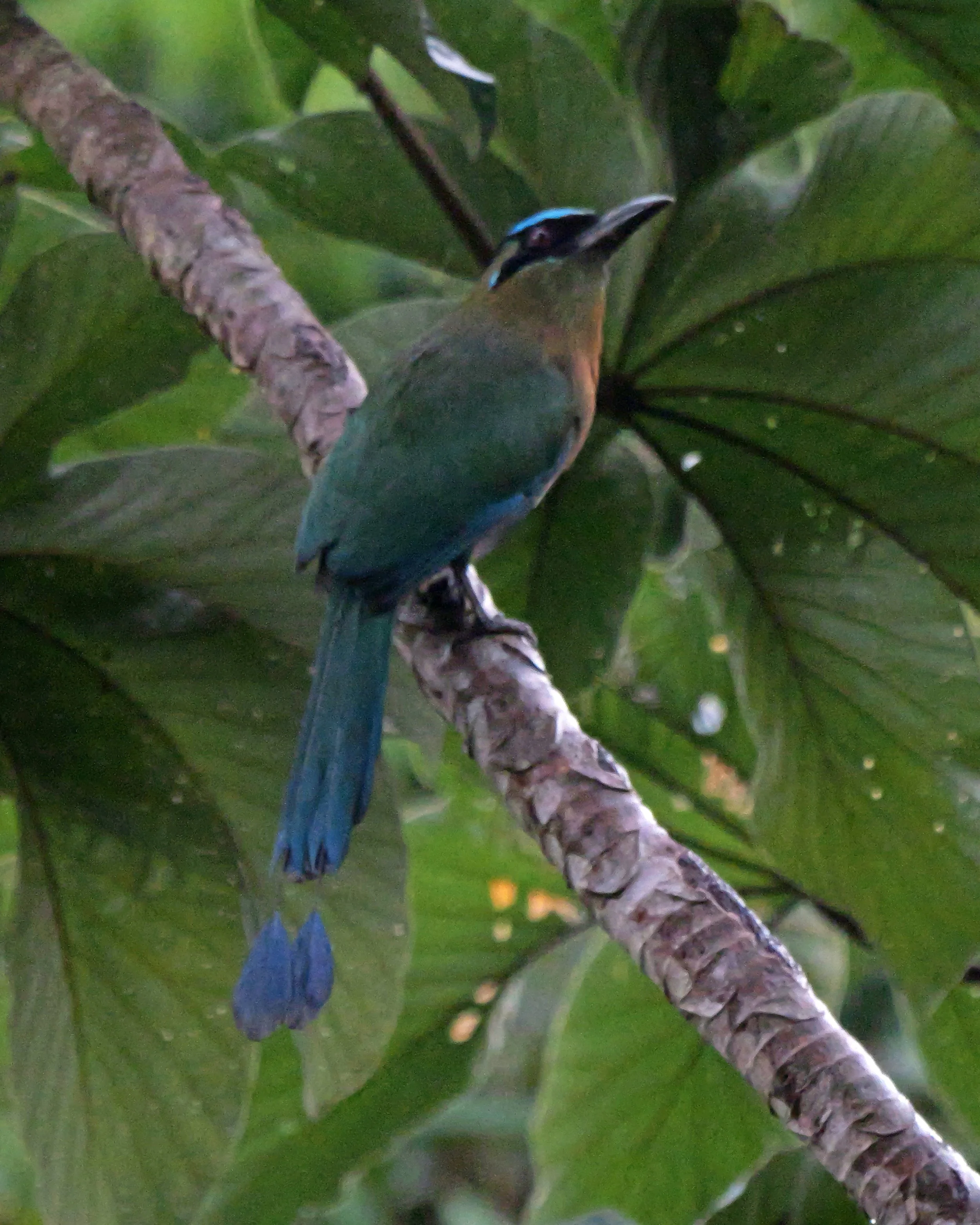
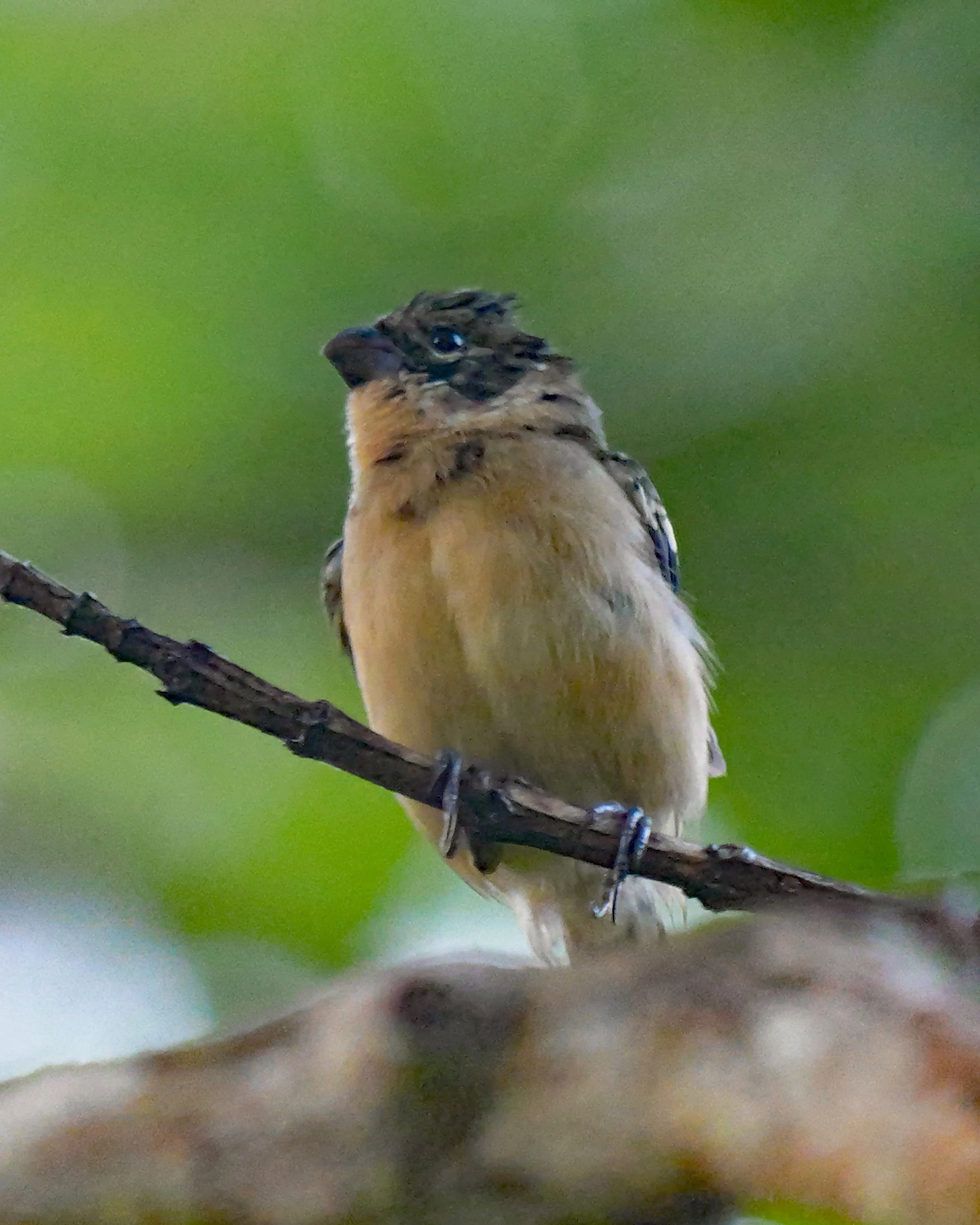
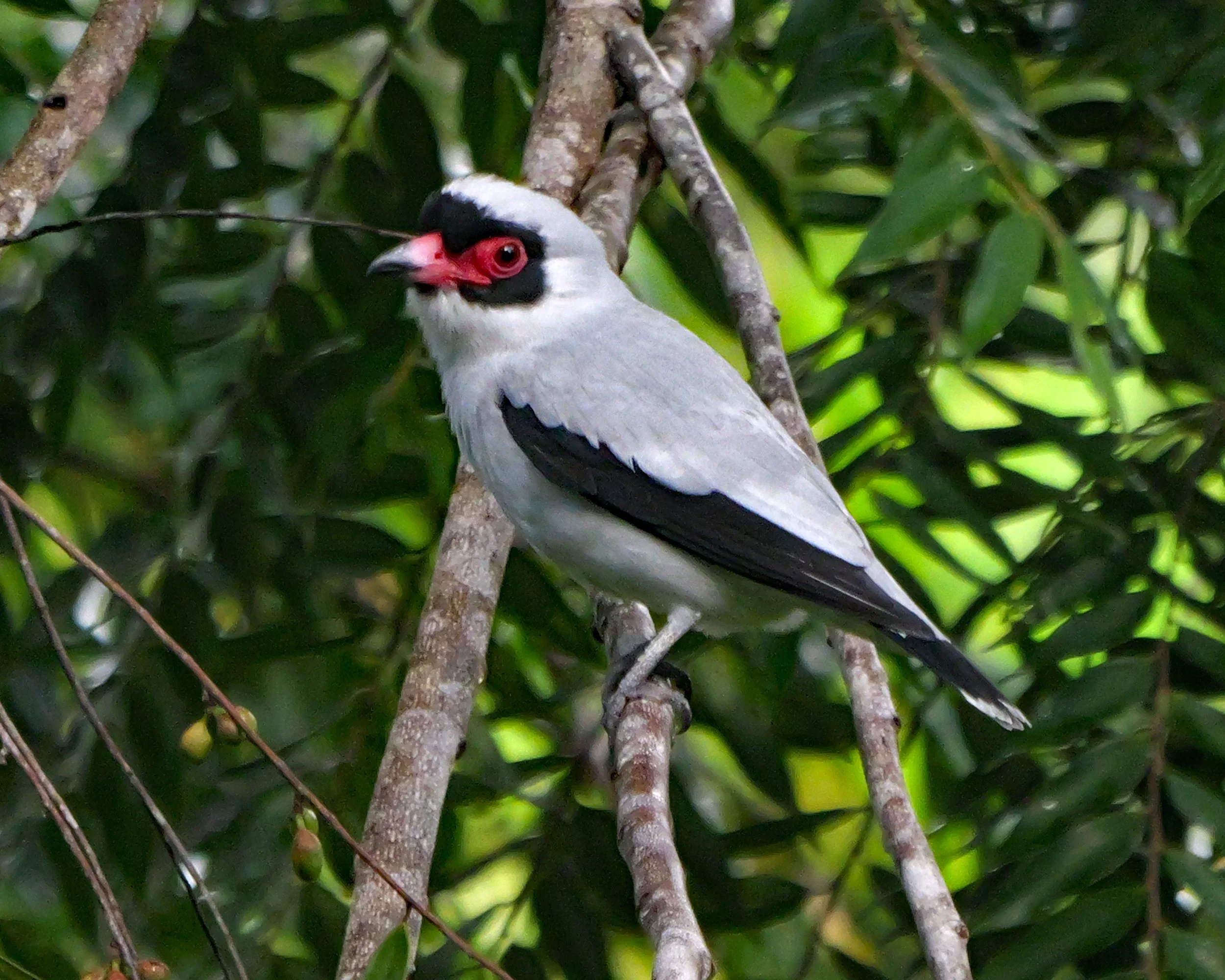
How do you see these opportunities playing out at Silk Grass Farms and Silk Grass Wildlife Preserve?
Silk Grass Farms has long pursued an integrated vision of agricultural production and conservation, providing a strong local foundation to develop a flagship demonstration site for regenerative agriculture and bird-friendly practices in Belize and Central America.
Because it already implements regenerative practices that protect soil, water resources, and biodiversity, Silk Grass Farms can offer concrete examples that can be observed, tested, and adapted elsewhere. The site has strong geographic conditions, with farmland adjacent to the Silk Grass Wildlife Preserve, Cockscomb Basin Wildlife Sanctuary, and other natural areas, all of which benefit from long-term leadership and vision that support experimentation and innovation.
How might Audubon help expand learnings from Silk Grass to other areas of Central America or the world?
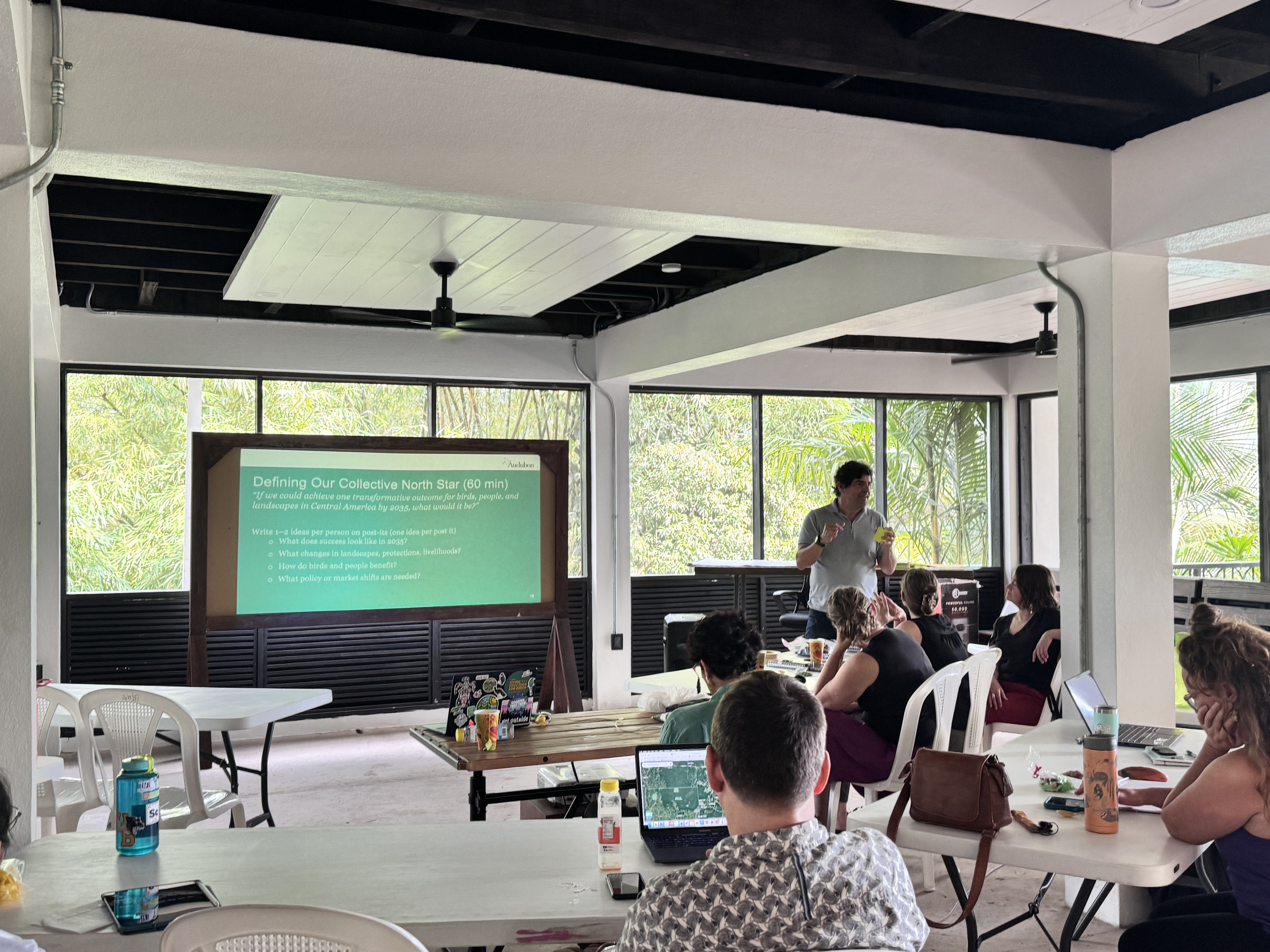
Audubon, and collaborators who attended the workshop, are structuring a research and training project on regenerative agriculture and protected areas at a Central American scale. Key sites and farms have been identified across several countries in the region, where demonstration and experimental farms are expected to serve as spaces for farmer-to-farmer learning, enabling producers to see regenerative practices in action and explore how to adapt them to their own landscapes. These sites will support the capacity building of leaders from key public, private, and community-based organizations, enabling them to scale and disseminate the best practices identified through the project.
In this context, Silk Grass will be positioned as one of the demonstration sites for project implementation, helping to showcase the vision and viability of regenerative agriculture for birds and set the foundation for its expansion. The first investments and training activities would be carried out at Silk Grass, led jointly with its team and other partners.
About Audubon: Audubon works in Latin America and the Caribbean through its Regenerative Agriculture Strategy, aiming to integrate bird-friendly practices into agriculture (like cattle ranching, sugarcane, rice, palm oil, and other commodities) to create and connect habitats, improve biodiversity, and support local economies. Key efforts include developing playbooks, piloting regenerative approaches, and building community capacity in regions like Belize, benefiting both migratory and resident birds while boosting farmer profits and climate resilience. Learn more.